For a long time, I had a problem with teeny little ants at my desk. They were so small they weren’t easily seen but as I typed or read, I’d get bites on my hands! My first thought was to remove the potted plant from the desk. Surely there were eggs that hatched in the soil. I wiped the desk clean using a vinegar solution. Problem solved.
Until they returned. But no plant meant I had no obvious source to blame. On my hands and knees I crawled under the desk, inspecting outlets and the carpet line and then the window sill. A thin line of teeny little ants made their way in through a miniscule opening between window and sill. But I don’t keep ant spray at the house and vinegar proved only temporary. So I searched the internet. Ants don’t like black pepper. Easy.
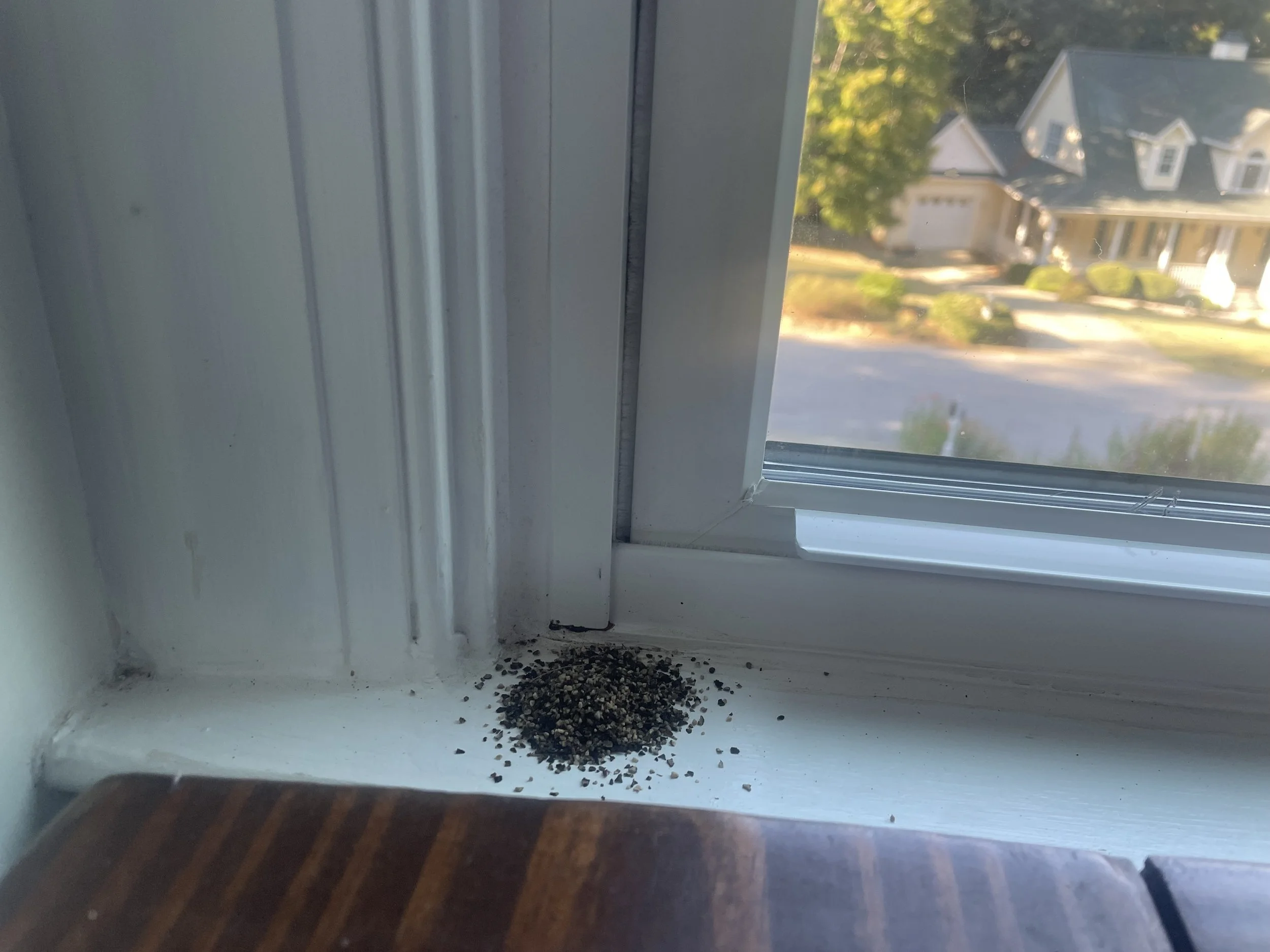
Months later, the pepper remains and the ants have not returned.
There now sits a small pile of black pepper on my window sill at the point of ant entry. Nearly a year later, I remain ant free.
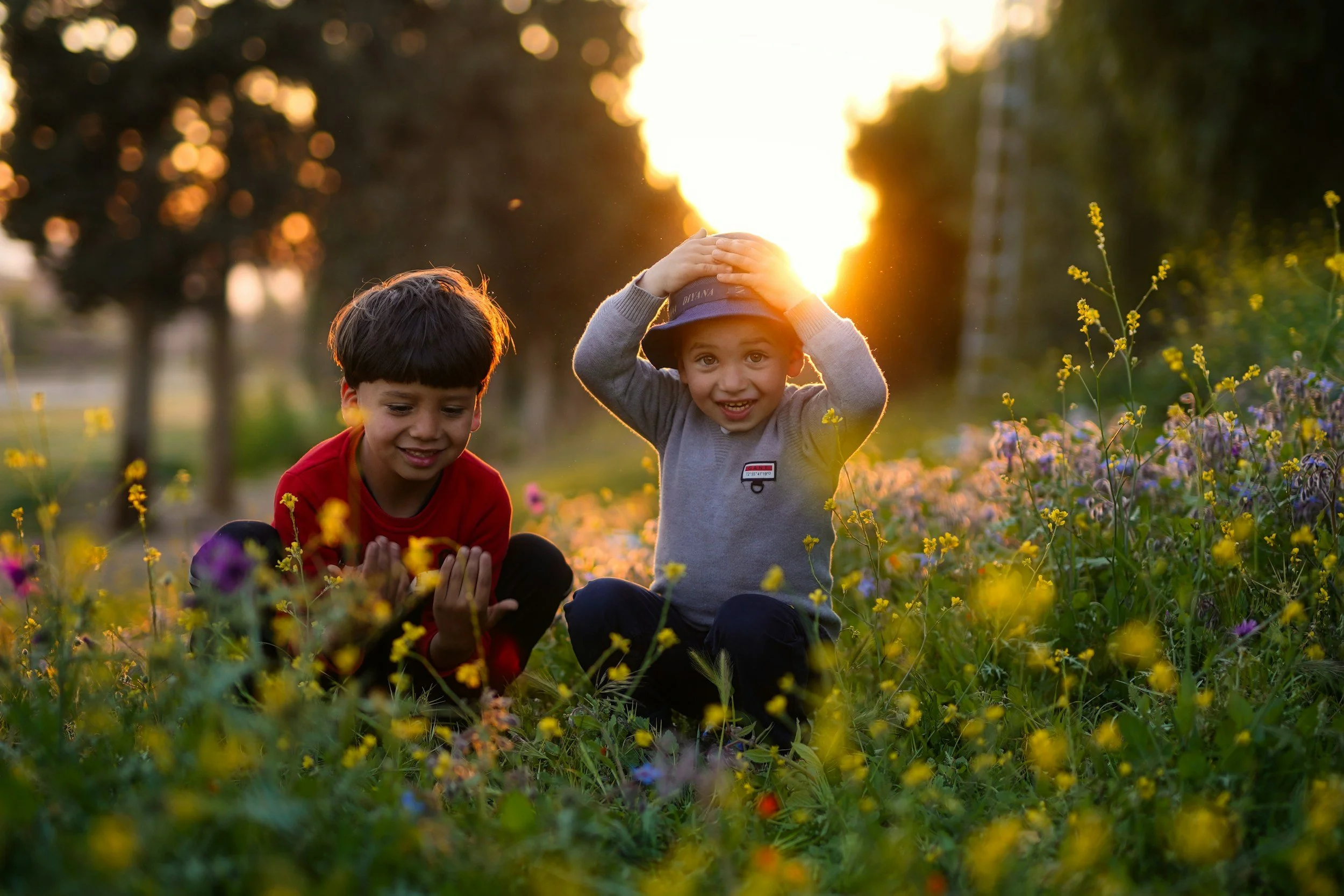
As an environmental advocate and educator I spend a lot of time thinking about the kind of world we're creating for the next generation. I know that our everyday actions are part of something much bigger: they determine whether or not every child has the opportunity to grow up healthy.
Children need clean air to breathe, safe water to drink, healthy food to eat, and toxic free places to live, learn, and play. Yet too many children are exposed to environmental hazards that can affect their health and development which is especially true for children in lower-wealth communities and communities of color.
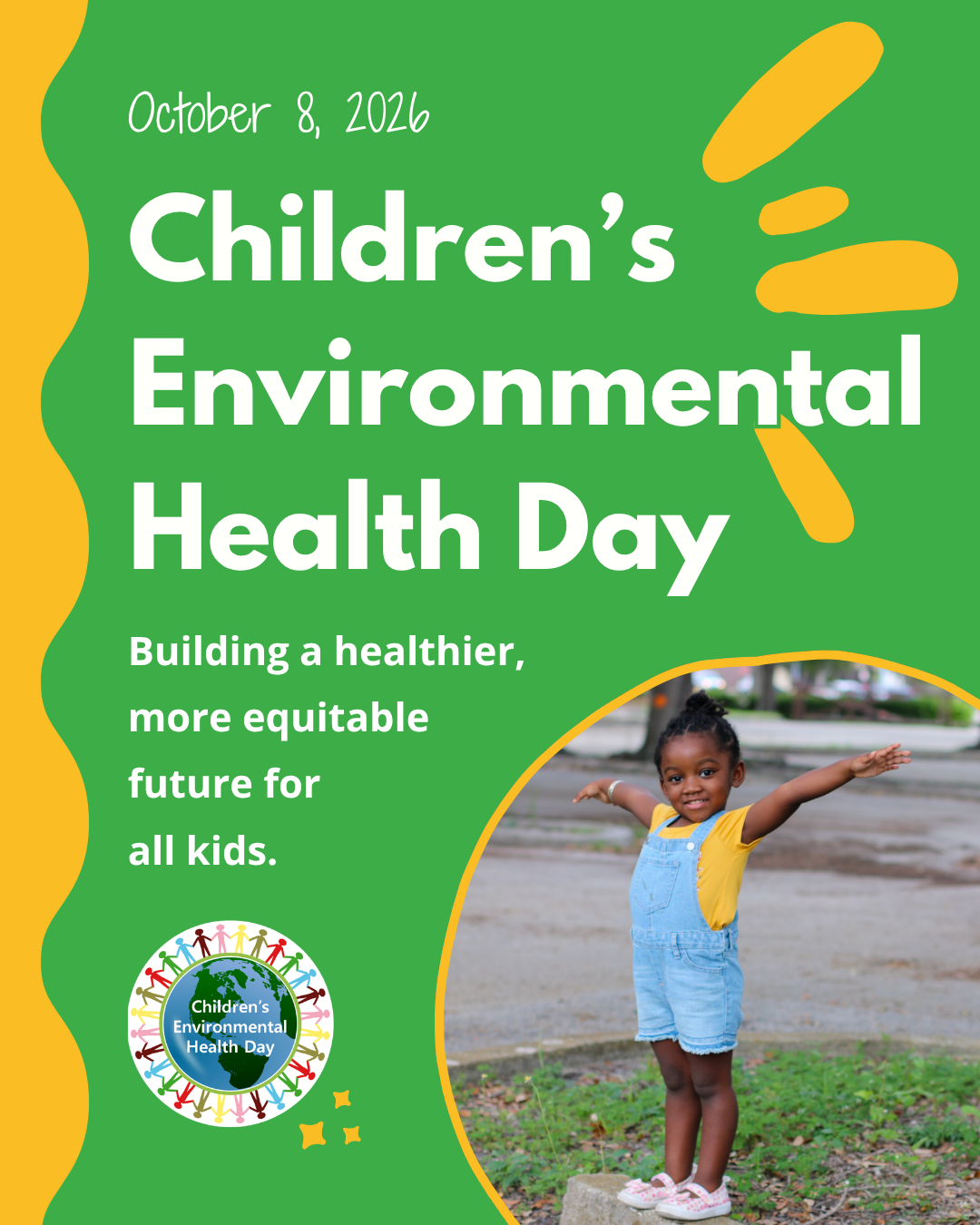
The good news? Every one of us can help create healthier environments for children. In honor of that cause, I'm excited to celebrate Children's Environmental Health Day (CEH Day) on October 8.
Now in its 11th year, CEH Day is a national day of awareness and action dedicated to protecting children from environmental hazards and creating healthier futures for all children. It's a chance to celebrate progress, elevate solutions, and inspire individuals, organizations, and communities to work together to put children's health at the center of environmental decision-making.
This year, Children's Environmental Health Day is more important than ever. There is growing national attention on children's chronic illnesses—including the role environmental hazards can play in shaping health across a lifetime. Yet many of the protections, public health programs, and scientific expertise that help safeguard children's health are under increasing pressure. This moment calls for evidence-based solutions, stronger community voices, and a united movement that puts children's health first. And you can contribute!
I invite you to take an inventory of your personal space–your classroom, the school playground, your house or apartment or the outdoor space around your home.
What pesticides are used and where? When and why are they applied? (both indoors and out)
What personal care products do you and the children in your life use regularly in your space (at home or at school)?
How is your food stored, heated and eaten?
Let me elaborate.
Number 1: When chemicals are used for pest control, the effect is not limited to your target pest. Sprays can be inhaled by people and pets, chemicals can be absorbed directly through skin, residue can remain on paws and shoes and carried onto floors where children play. These can cause a wide range of health problems, including acute and persistent injury to the nervous system, injury to reproductive systems, birth defects, and cancer. There are many healthier alternatives to harsh chemicals for pest control and I invite you to try one out. In addition to experimenting with non-toxic alternatives to chemicals, I also rely heavily on a biodiverse yard that promotes biological controls to pests. Snakes eat rodents, spiders eat beetles, dragonflies eat mosquitos etc. If chemicals are used they are used sparingly, directly, and only as a last resort.
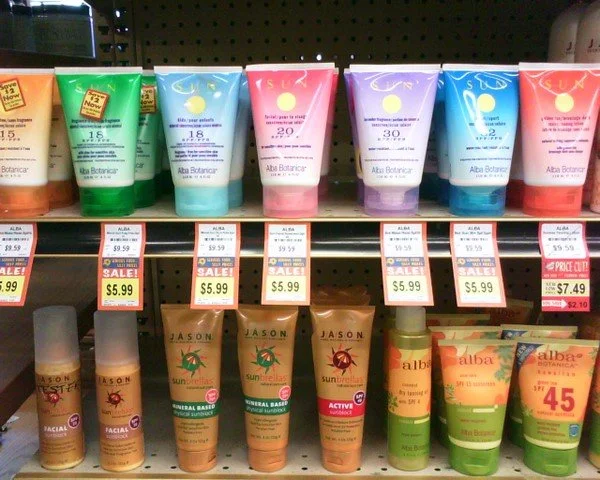
Photo Credit: Felix Wong
Number 2: Personal care products require a long shelf life. That means, by the time you have bought the cream, lotion or soap at the store, it might have been in a warehouse, en route or on the store shelves for weeks or months. For that reason, these products often have preservatives added. And this is just one example of why harsh chemicals are used in personal care products, but not the only reason. I recommend downloading the “Healthy Living” app by EWG (Environmental Working Group). You can scan the barcode of most mainstream products and get a review of their ingredients ranked on how toxic and carcinogenic they are. The app will also give you brands with better ratings.
Number 3: In regards to food prep and storage, plastic should be avoided. This is especially true of hot food items. When heated or stored warm in plastic, chemicals from the bags or containers can leach into the food. Think of hot water in styrofoam ramen cups, frozen veggies you steam in the microwave inside the plastic bag or eating hot foods with plastic utensils. Don’t let your logical desire for convenience expose you and the little ones in your life to toxins. Glass and stainless steel are two alternatives to plastic. Follow the link provided for a more thorough explanation and more recommendations.
www.cehd.org
Everyday is the best day to make a few reasonable, healthier changes to your routine and work or living spaces. Share your choices with others. Your actions build momentum toward healthier environments where every child can thrive. In doing so the environment is also improved for the adults, pets, wild critters and the natural spaces we live in.
Learn more, find resources, tell a friend and get involved at CEHDay.org.