
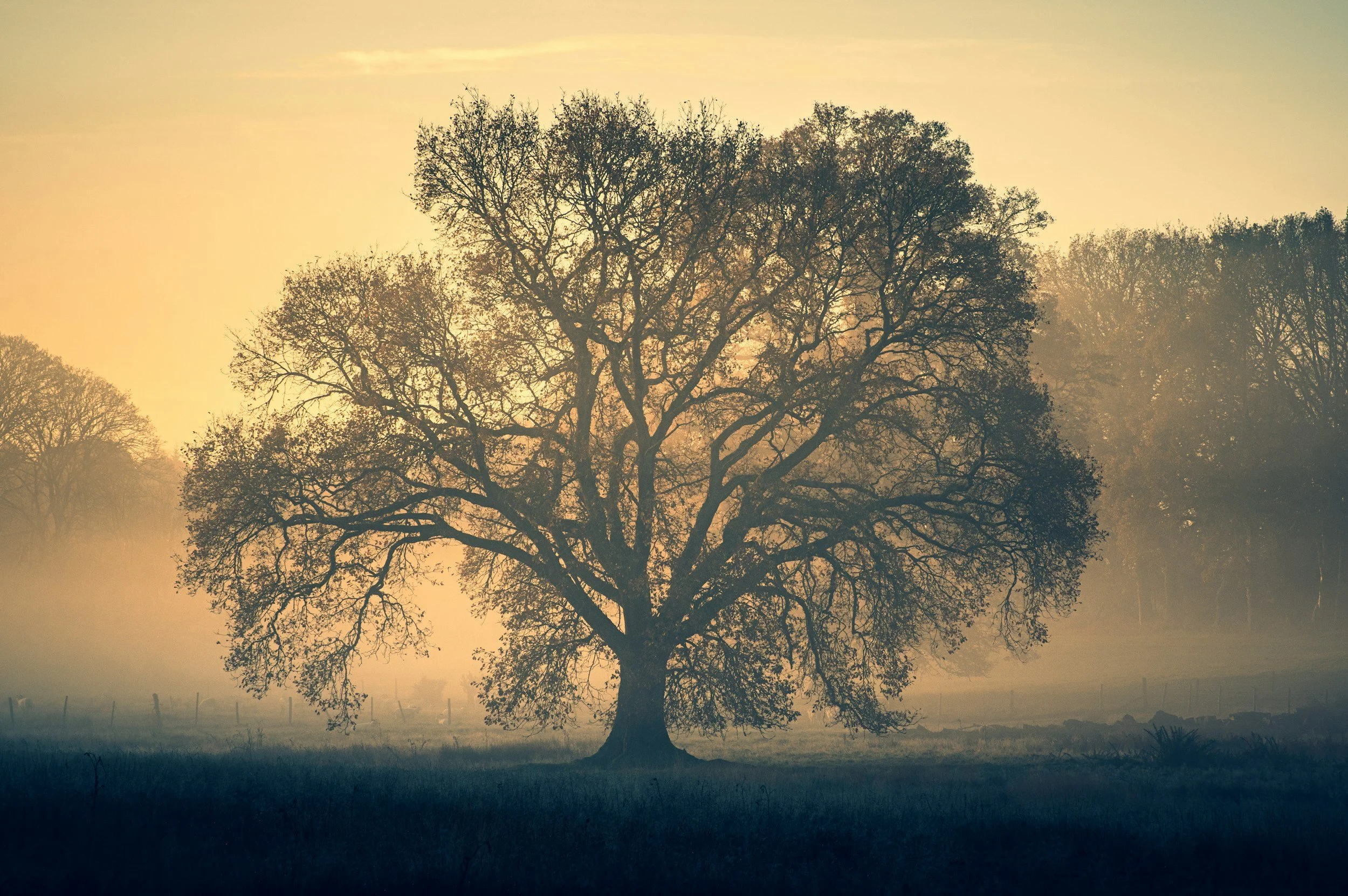
This November 2026, I’ve been teaching a program entitled “The Mighty Oak”. Children learn about the particular importance of oak trees in an ecosystem and they take a close look at leaves and acorns from different native species. While children are told the names of the different oak trees, the main purpose of the lesson is to encourage them to look, consider, compare, and enjoy tree litter this fall. I like to think the children feel capable and excited to investigate leaves and seeds on their own after our program together.
On more than one occassion during a session, a child has shared how trees in a grove or forest can communicate with other trees through their root systems and with the help of fungi. Wow! What an advanced understanding of trees! How did they know that? I turned my attention to picture books about trees at my local library and what I found were so many books about this exact concept. Picture books are an incredible tool for parents and teachers to introduce children to advanced science content and can inspire a deep connection to nature. I hope you find some inspiration from the list of recommended books below. Happy reading! -Rachel
Leaf Man
Written by Lois Ehlert
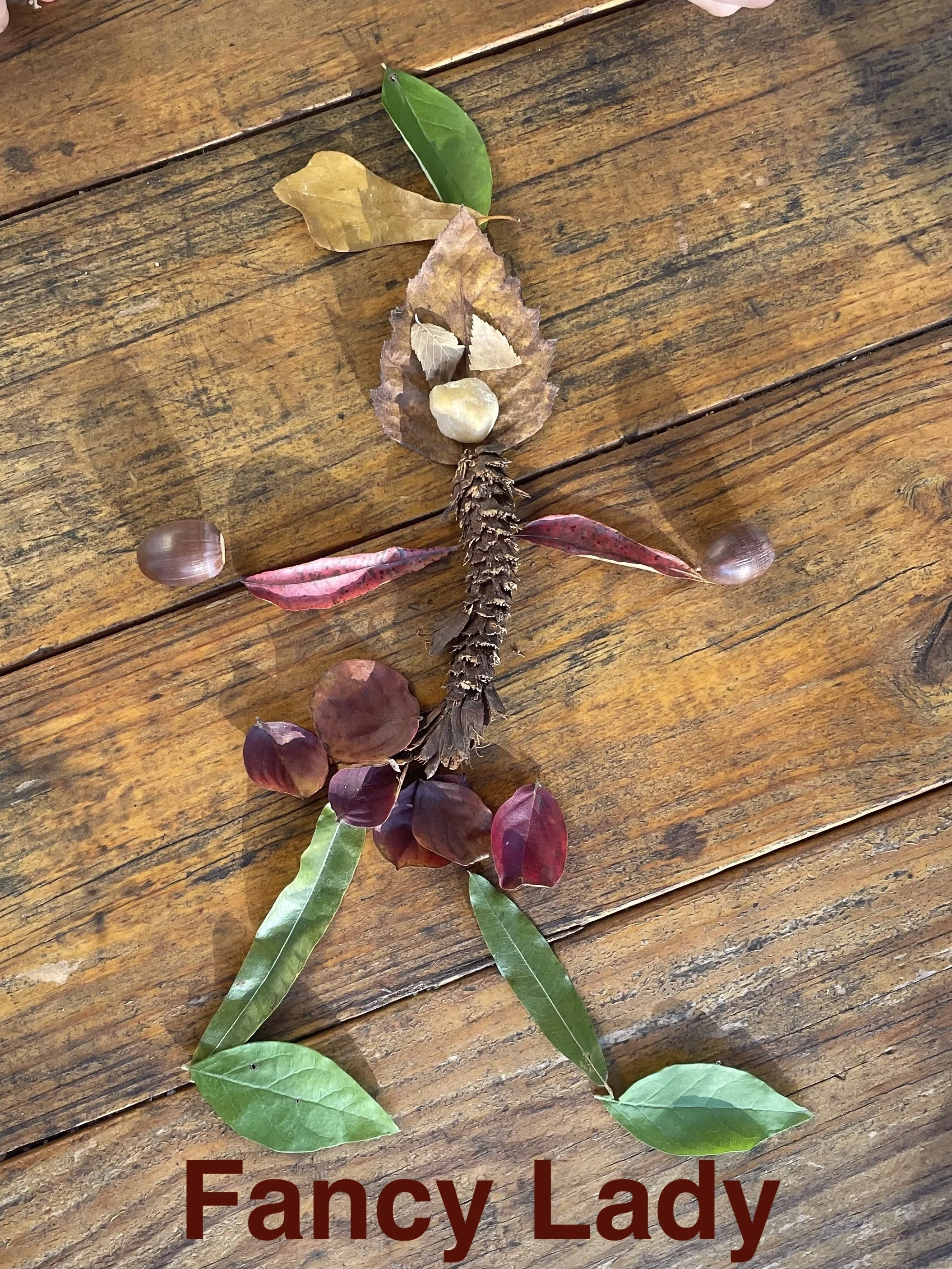
I loved this one so much, I bought it for myself. It inspired a couple of days of activities for my pre-K after-school outdoor education program. Inspired by the line, “A Leaf Man’s got to go where the wind blows,” we took one afternoon to collect leaf litter, acorns, sweet gum balls, sticks, bark and needles. We loved our walk through the woods carefully seeking fun materials. The next afternoon we built our leaf creations. One child made a crab. I worked with one 5-year-old to make a fancy lady. Another child made the face of a grouchy old man! And we left our designs outside their classrooms so the children could return the next day to see if the wind took their leaf designs with it. We LOVED this book and the fun time outside it inspired!
Listen to the Language of the Trees: A Story of How Forests Communicate Underground
Written by Tera Kelley
Pictures by Marie Hermansson
This book tells a story about the complexity of forest ecosystems. How trees interact with each other in a forest was not information available to me as a child and it’s absolutely incredible to learn about it now. The illustrations support the information using color to communicate the underground transmission of messages very effectively. There are multiple pages of resources for parents and teachers who want to engage more on the subject matter.
Nature All Around: Trees
Written by Pamela Hickman
Pictures by Carolyn Gavin
This book is best for older children especially if they have a report requiring research. This is not a circle time read-aloud story. The illustrations are very pretty and help explain the content. The book covers a wide range of information from types of forests, seasonal changes, tree anatomy, photosynthesis and much more!
Pando: A Living Wonder of Trees
Written by Kate Allen Fox
Illustrated by Turine Tran
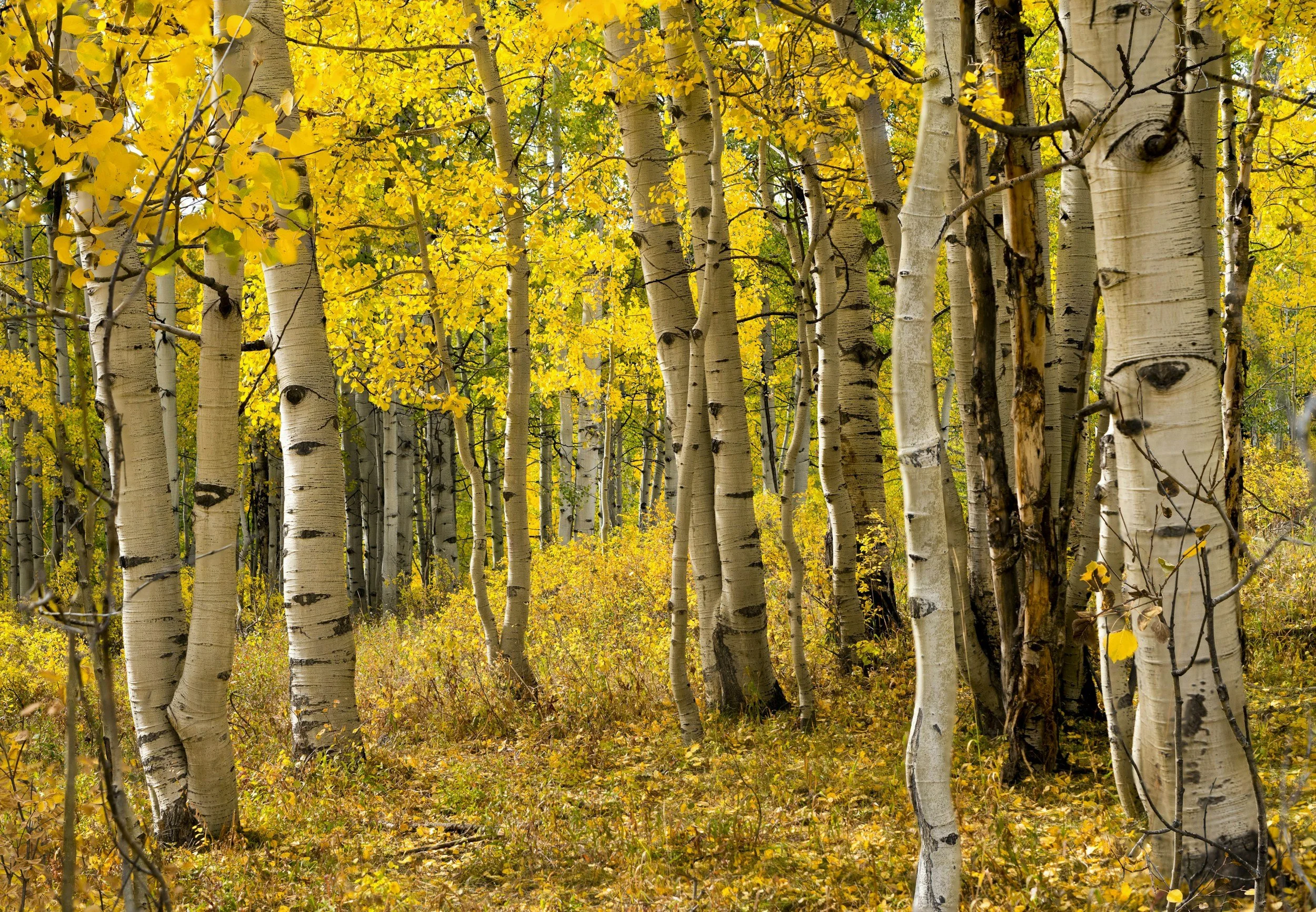
Pando is the name given to a large grove of trees also called “The Trembling Giant”. It is a part of the Fishlake National Forest in Utah. The aspen trees that make up the grove can reproduce through seeds but also by cloning, which is why this grove is referred to as a whole living organism with the given name Pando. Pando is latin for “I spread” and this book tells it’s story. The yellows and greens of the seasonal trees used in the beautiful illustrations left a warm impression on me. I immediately looked up information on how to visit this forest!
Be A Tree!
Written by Maria Gianferrari
Illustrated by Felicita Sala
This is a book about empathy. The story compares the anatomy of trees to our own bodies and compares communities of trees and how they work together to human communities. It was beautifully written and obviously inspired. It is a celebration of trees!
A Grand Old Tree
Written by Mary Newell DePalma
Spoiler alert: the grand old tree dies in this story, but by including this stage in a tree’s life cycle it shares how trees are valuable to their environment, even long after they stand tall. The language used is simple and while it doesn’t rhyme, it is very lyrical and fun to read out loud.
Fletcher and the Falling Leaves
Written by Julia Rawlinson
Illustrated by Tiphanie Beeke
Fletcher is the embodiment of many children I know; he is a young fox who doesn’t understand the natural cycle of deciduous trees. His mother is patient with him and allows him to figure things out for himself. I had to read this story more than once to get the proper cadence, but that didn’t keep me from adding it to this list. The idea that trees change with the seasons and that change is both okay and beautiful is a worthy message to share with children. Awareness of the changes in nature can help us handle the inevitable changes in our own lives. This book does a good job of relaying the anxiety that change can bring while allowing it to eventually settle with acceptance.
The Sequoia Lives On
Written by Joanna Cooke
Illustrated by Fiona Hsieh
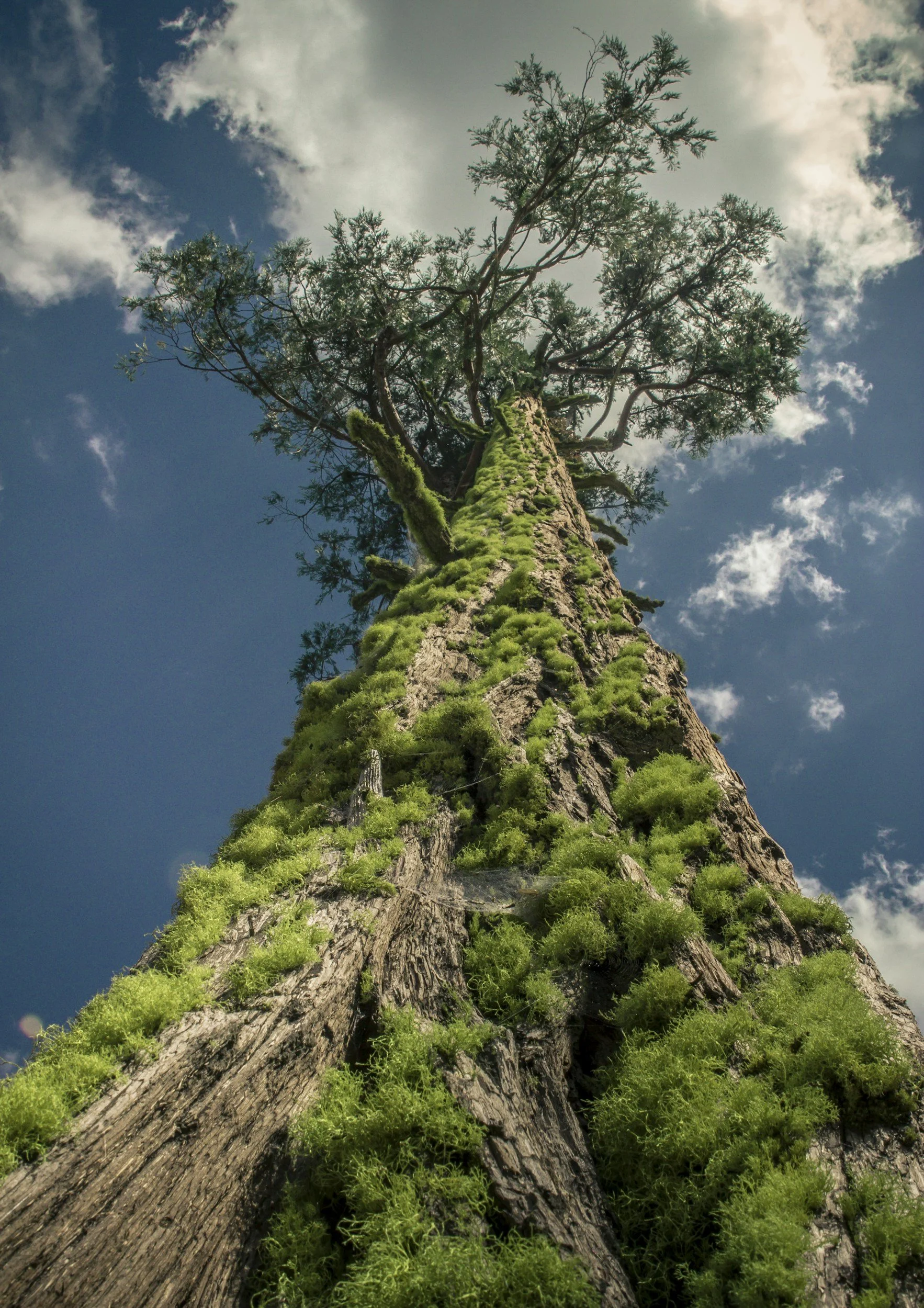
The California girl in me was drawn to this one. The illustrations do a good job of scaling the tree up in contrast to the people, other plants and animals. In reality, the size of these trees are incomprehensible. The story touches on all steps in the Sequoia’s life cycle, while relating how the trees are a part of the larger ecosystem. It also does a good job of contrasting the life of this “giant among giants” to the lives of humans: “a mighty sequoia can live more than thirty human lifetimes.” It’s important for children to hear tales where humans aren’t the center of the story.
The Glorious Forest That Fire Built
Written by Ginny Neil
This story is a lyrical journey through the changes a forest goes through. We like to think of ecosystems as static and permanent. But during this time of ecological upheaval due to climate change, its important for children to hear how forests naturally change, develop and adapt. The illustrations are pleasant and the simple lyrical style tells a lot without overwhelming the story’s progress.